
The Azarakhsh Family
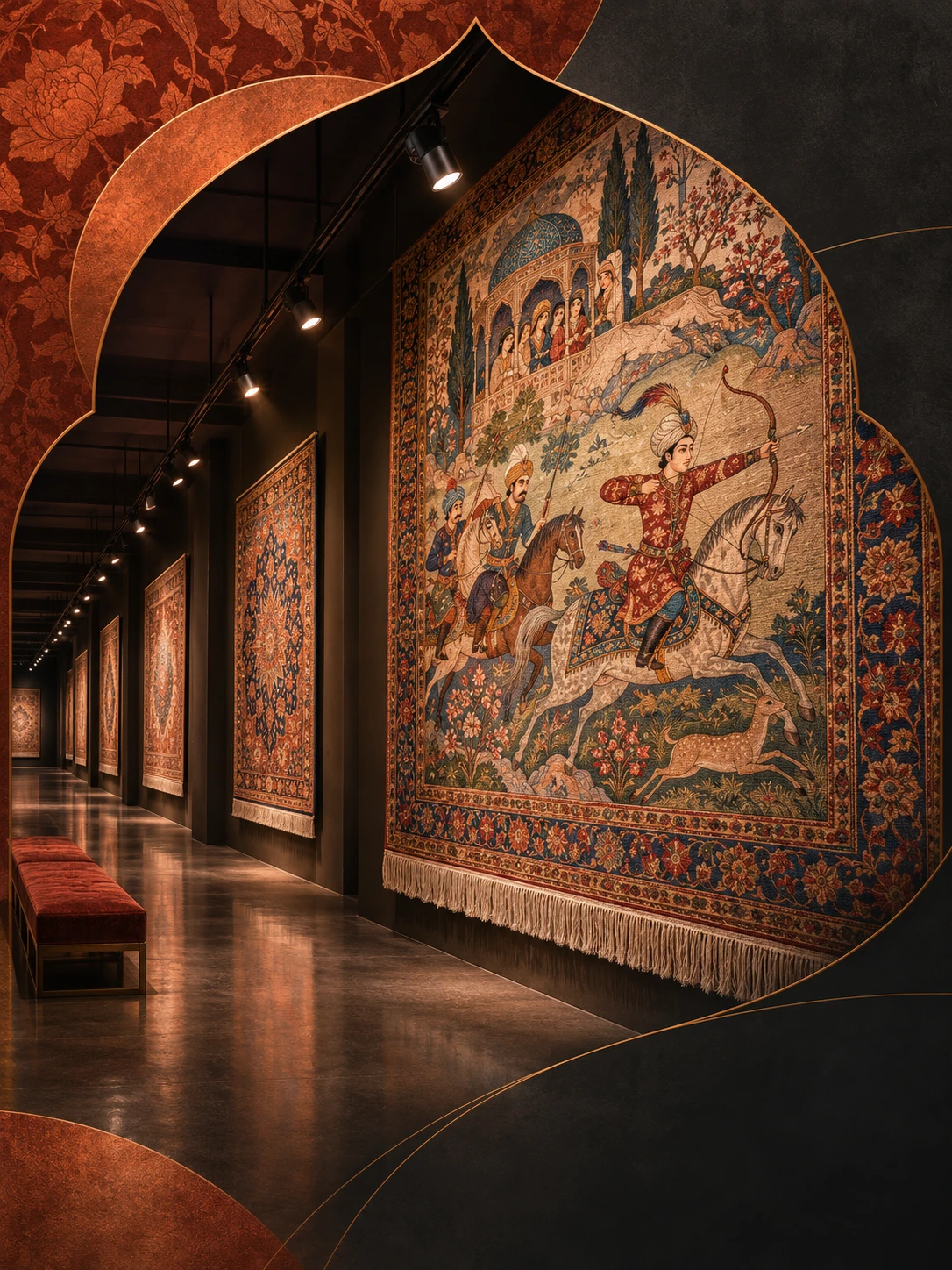
Farshkadeh Azarakhsh is a family that has given 183 years to the Persian handmade rug, and today its fourth generation carries that path forward.
This craft is not only our business but our cultural duty. A Persian rug is centuries of patience, colour and imagination tied knot by knot, and we hold it as our task to guard it, so the art reaches coming generations intact and carries Iran's name across the world.
Today, with three galleries in Iran and two abroad, we stand among the leaders of the handmade rug. Behind that place lies rare access to the finest pieces: generations of ties with weavers and masters, and a collection that holds the best from Tabriz and Isfahan to Nain and Qom.
Every rug is examined before it joins the treasury and leaves with a certificate of authenticity, and our care does not end with the sale: washing, restoration and appraisal stay with you and your rug for years.
Book a private viewing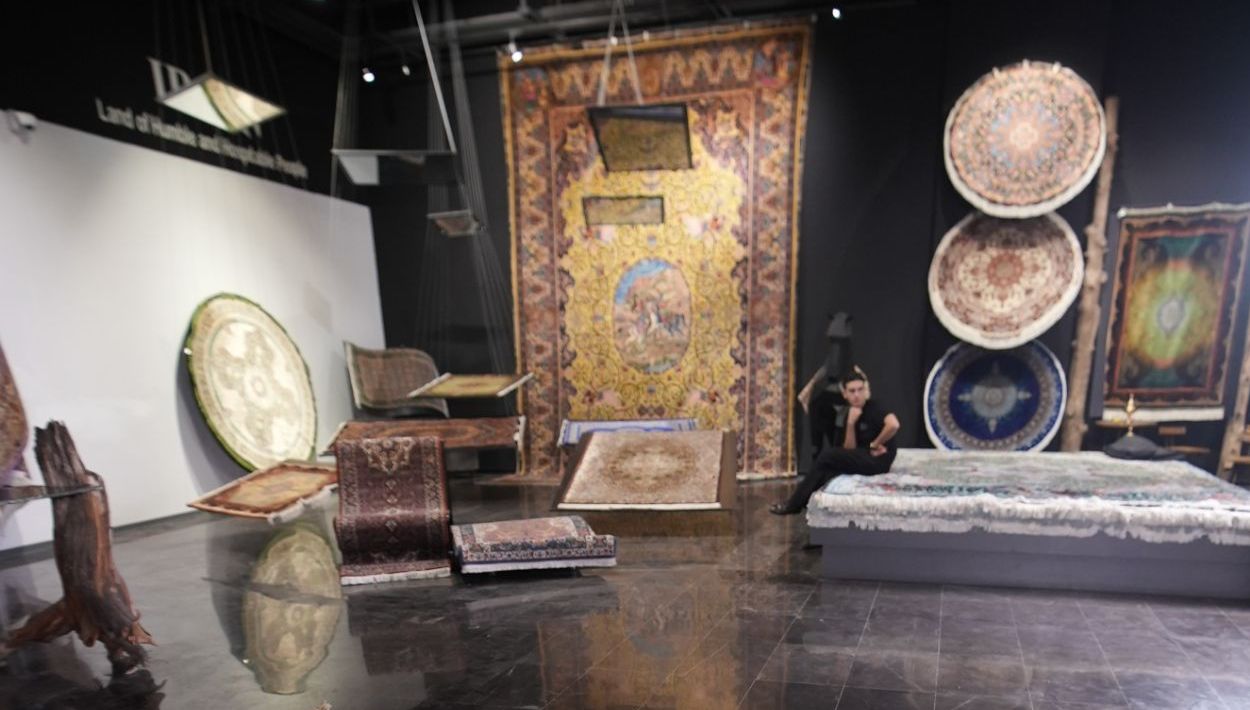
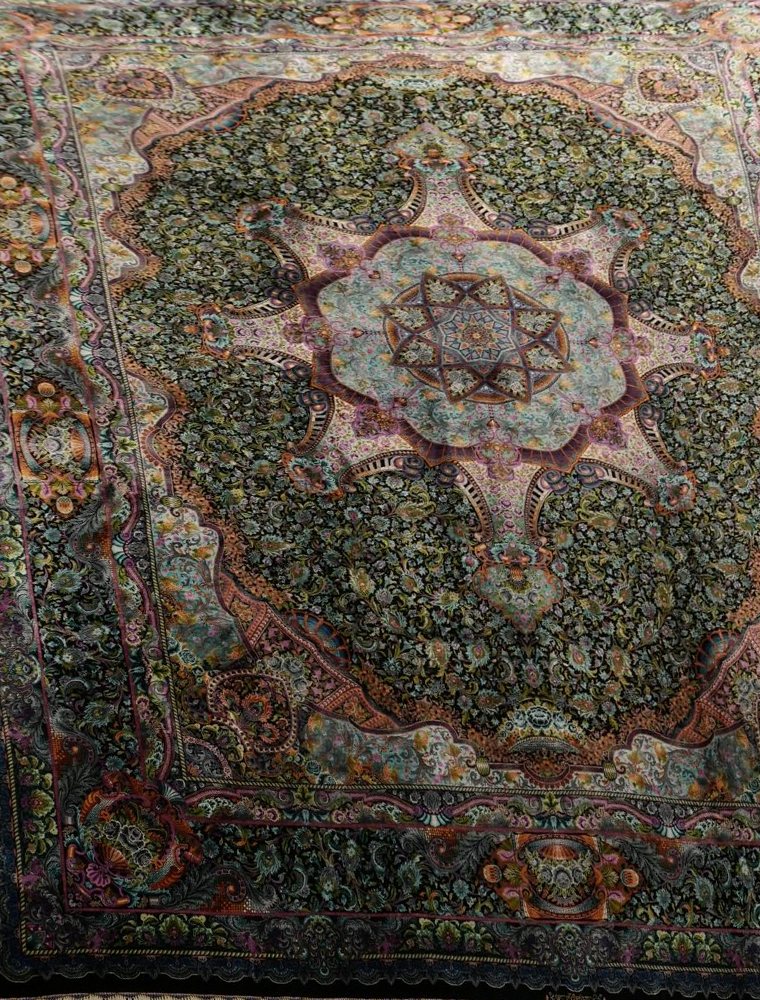
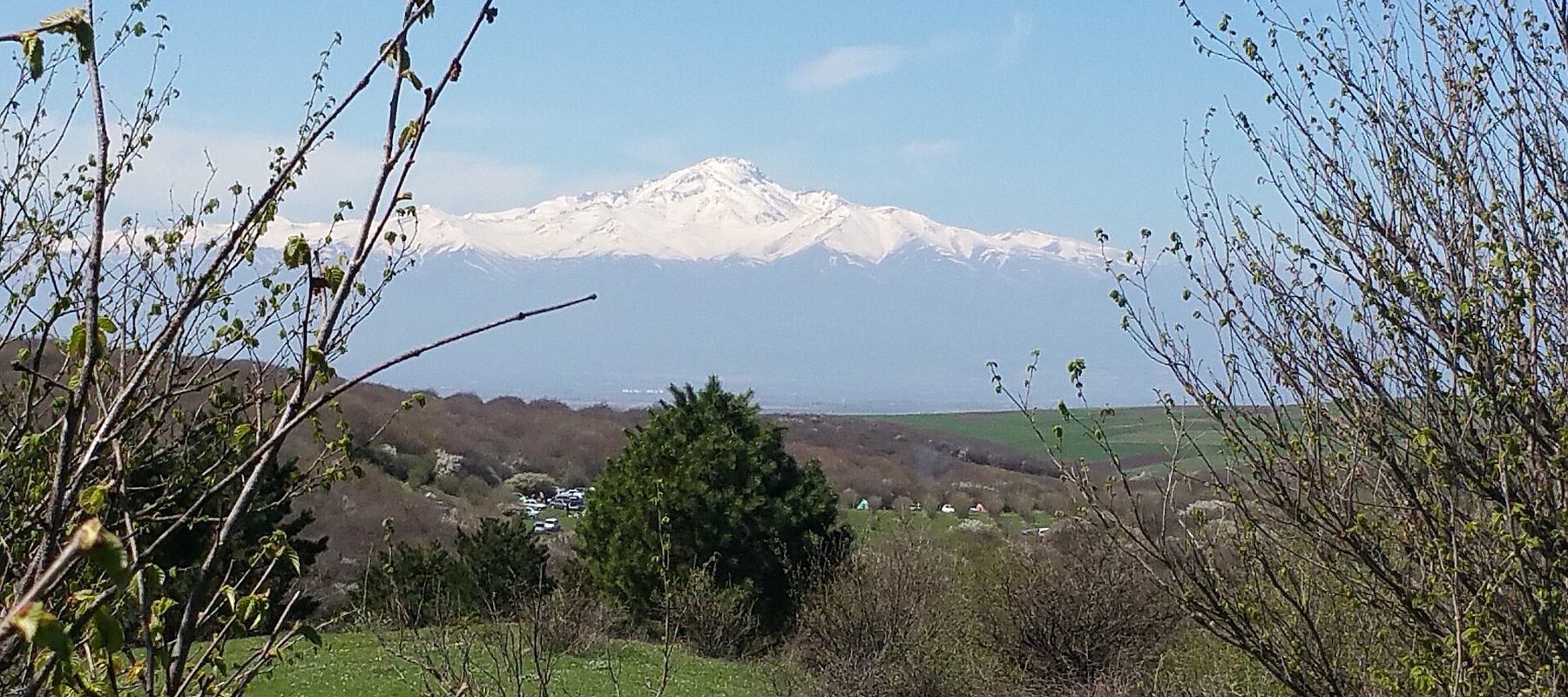
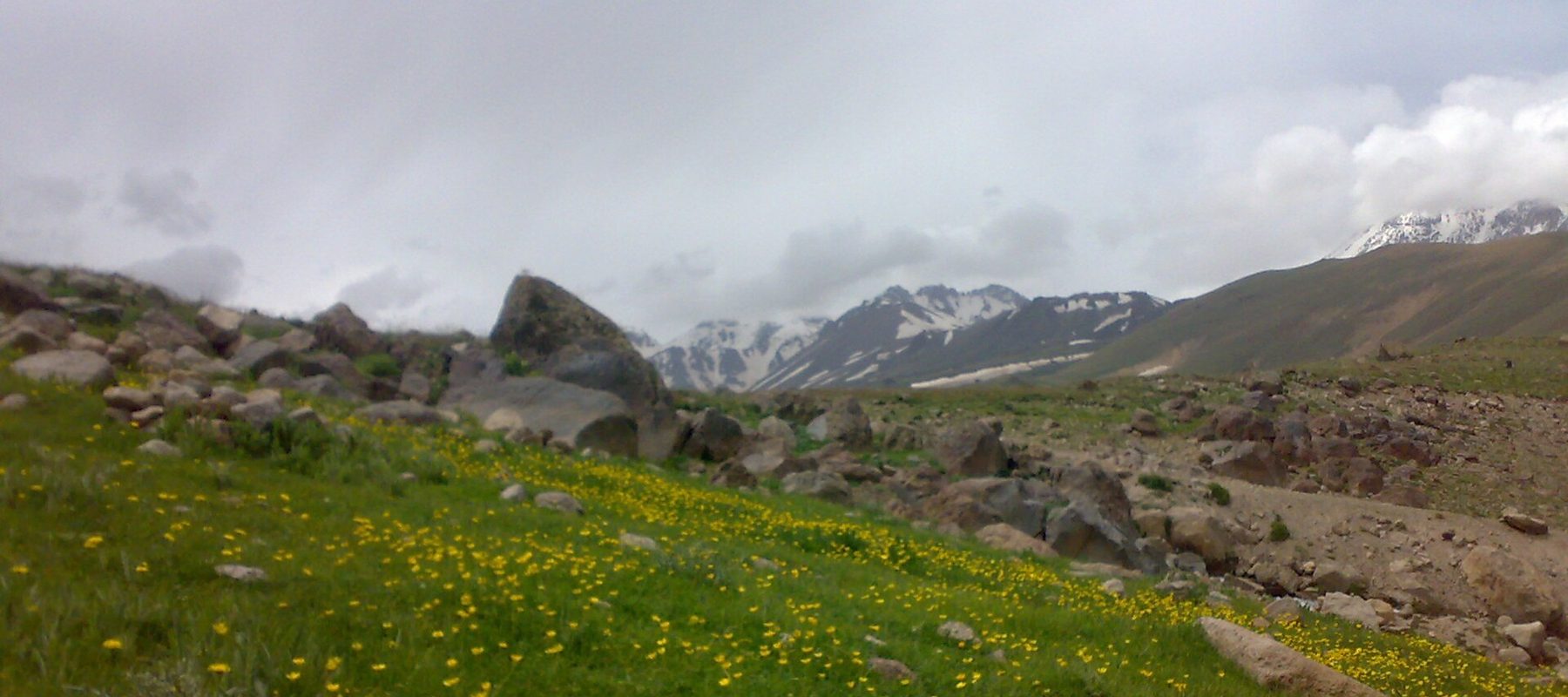
Ardabil: the land of Sabalan, birthplace of the Safavids
Ardabil lies in north-western Iran at the foot of Mount Sabalan, a volcanic peak about 4,800 metres high and one of the tallest mountains in Iran.
The city's name is bound up with the Safavids. Sheikh Safi al-Din, a great mystic of the 13th and 14th centuries, founded the Safavid order here. His descendant Shah Ismail I, born in Ardabil, founded the Safavid dynasty and made Tabriz his capital in 1501.
The shrine and khanqah of Sheikh Safi al-Din, in the city centre, has been a UNESCO World Heritage Site since 2010. The famous Ardabil Carpet, now at the Victoria and Albert Museum in London, was woven for it.
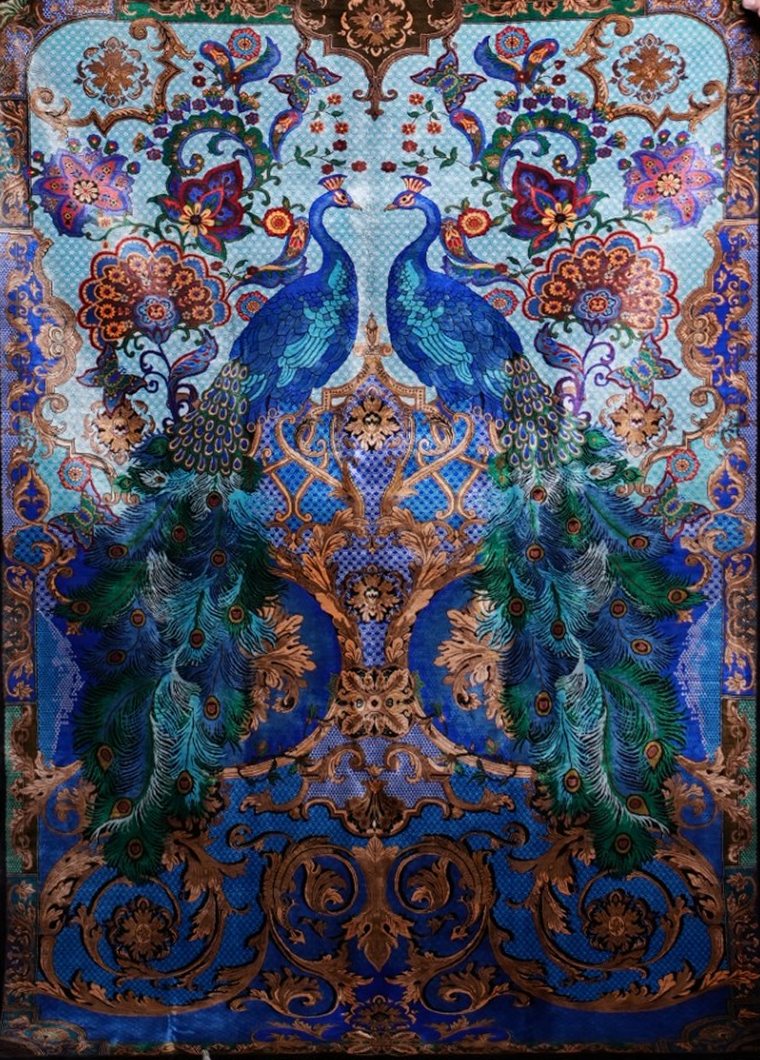
The story of the Ardabil CarpetPhotos: F4fluids (CC BY-SA 3.0) · Reza babaeian (CC BY-SA 3.0)