The Ardabil Carpet: a Safavid masterpiece at the V&A
2026-11-02
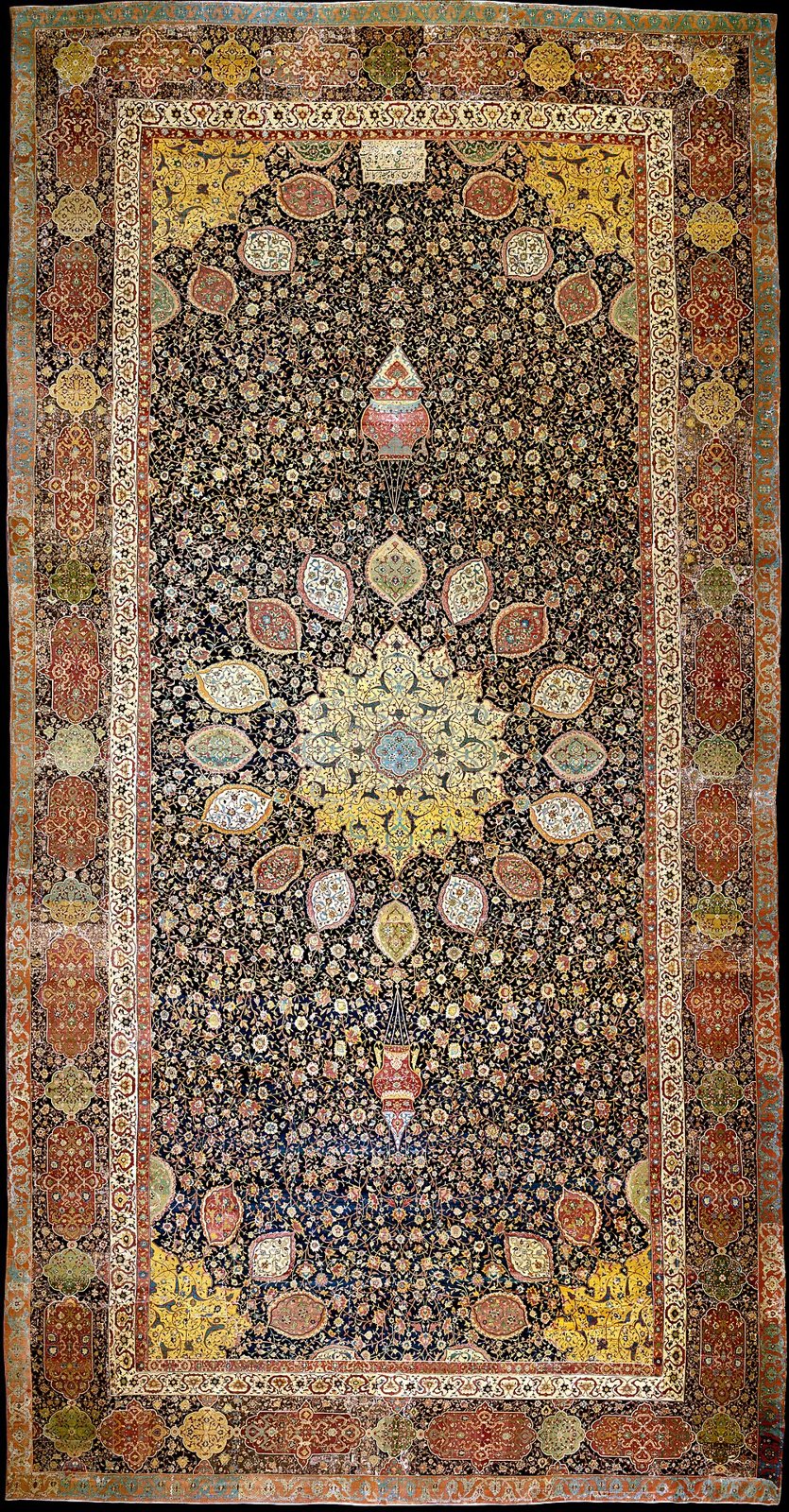
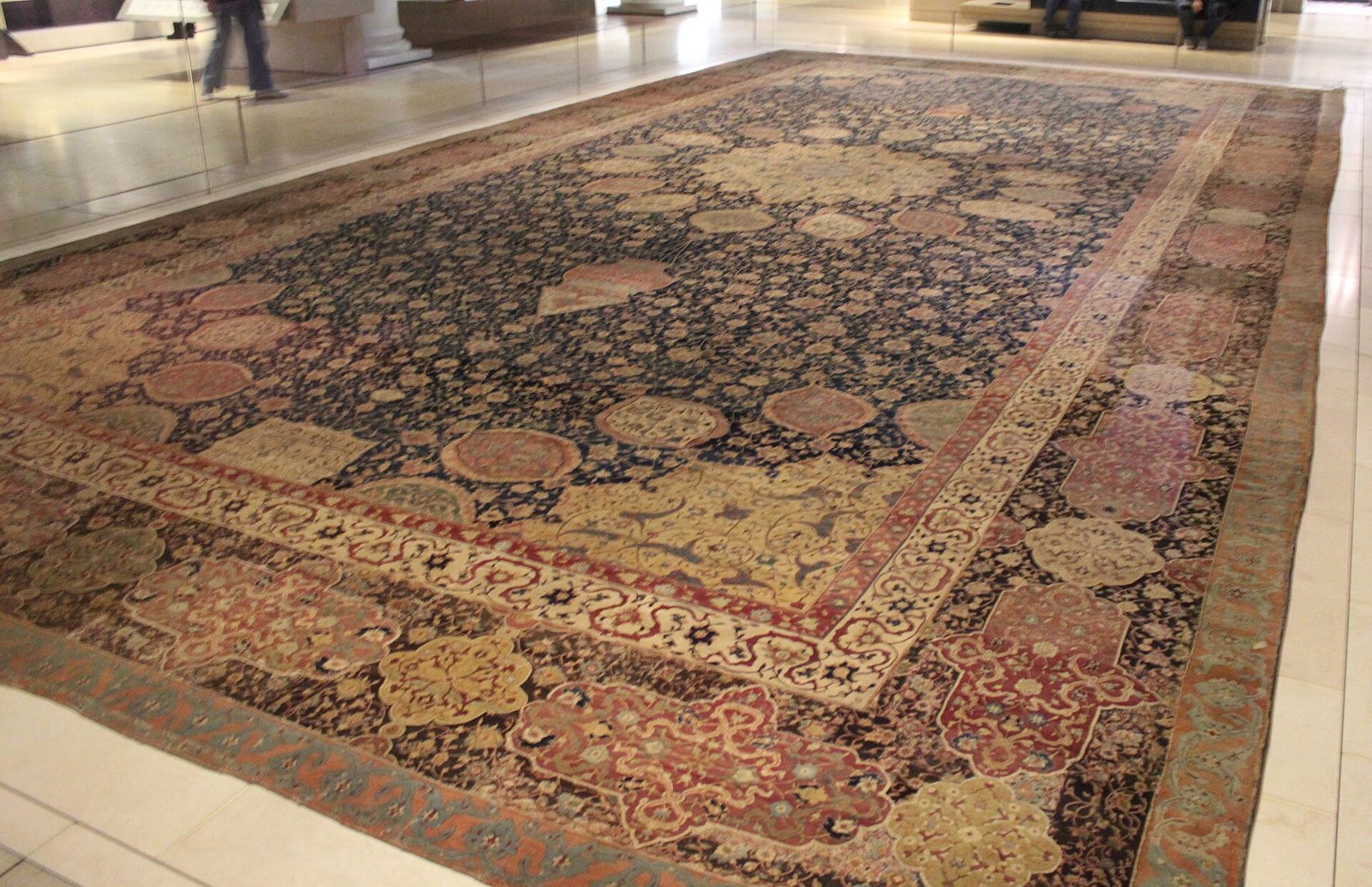
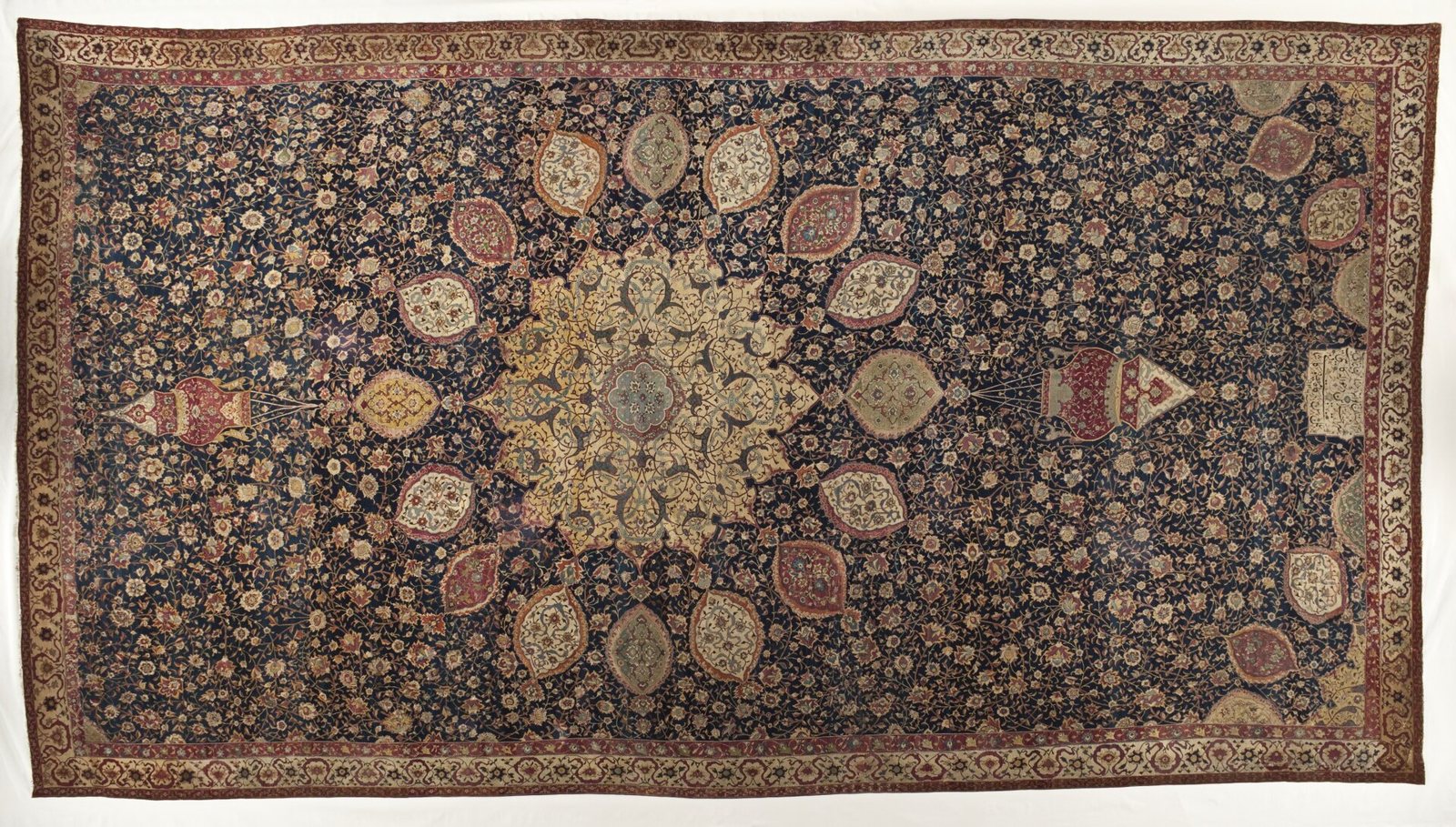
The Ardabil Carpet is one of the most famous carpets in the world. Dated 946 AH (1539–40), it was woven in the reign of Shah Tahmasp of the Safavid dynasty and is the oldest large carpet to bear its own date. It is now at the Victoria and Albert Museum in London.
It was made for the shrine of Sheikh Safi al-Din at Ardabil, the revered ancestor of the Safavids. Where it was woven is not certain: Tabriz is often proposed, and Kashan, Isfahan and Kerman have been suggested too.
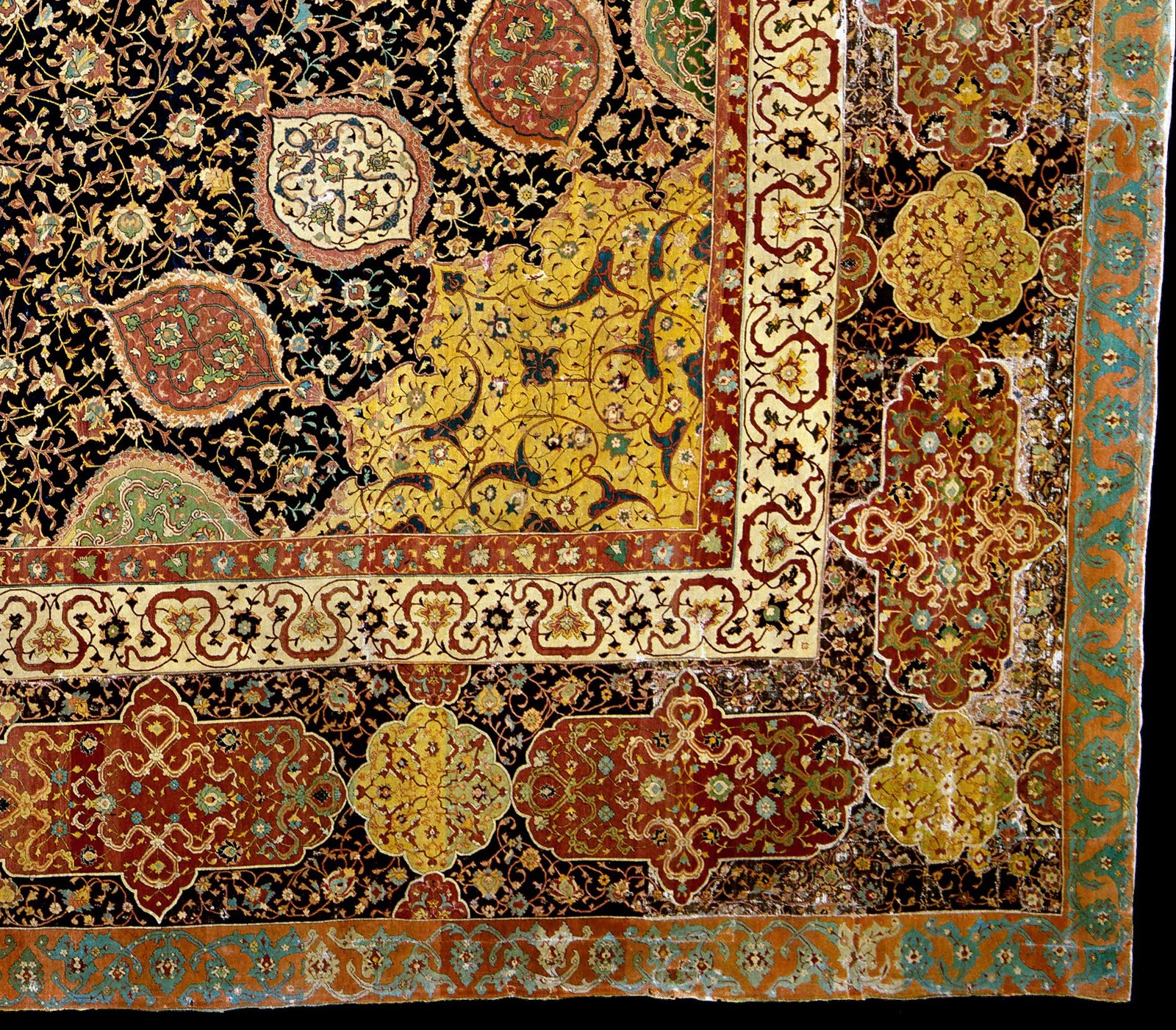
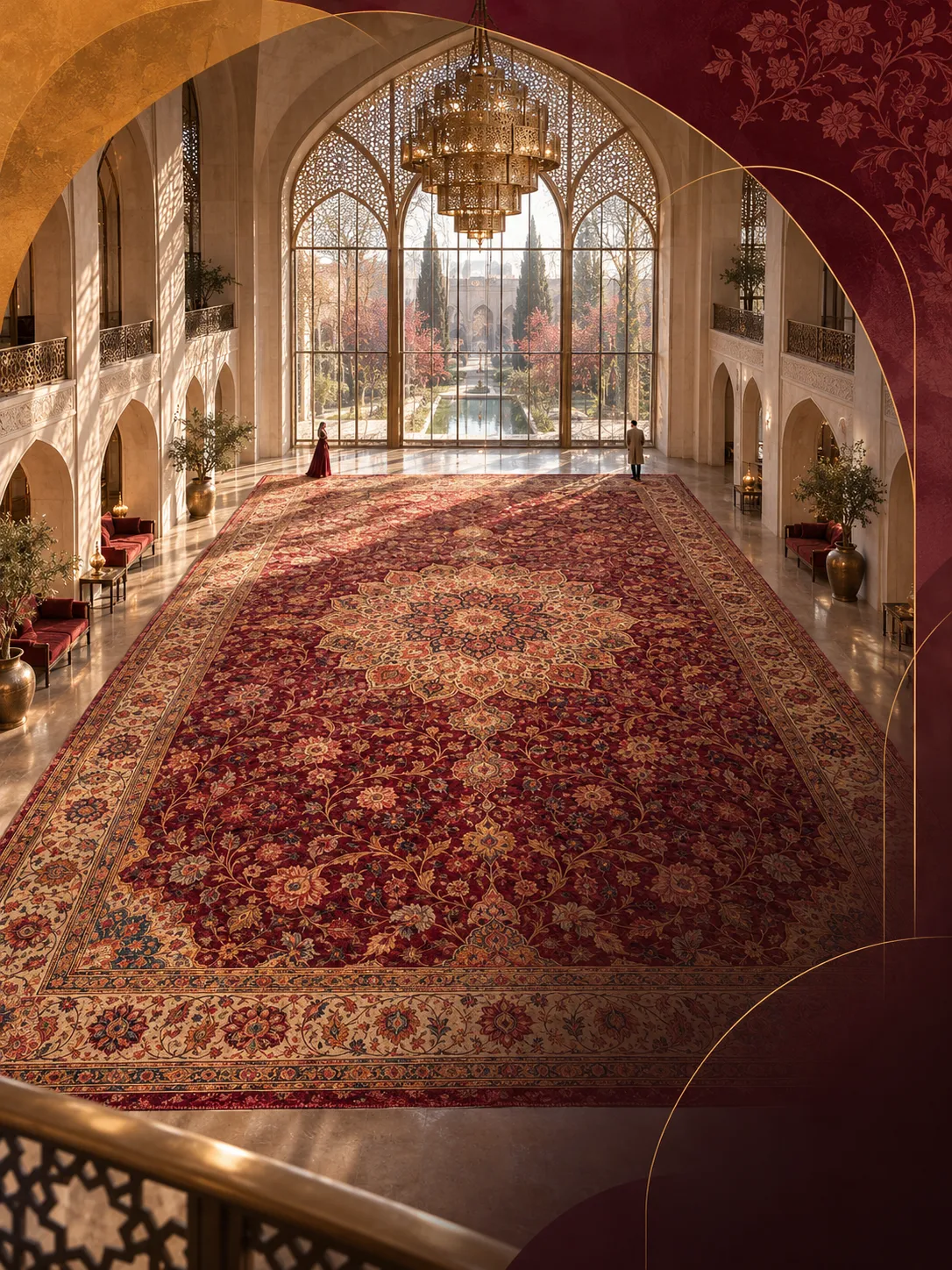
The London carpet measures about 10.5 by 5.3 metres, with a wool pile on a silk foundation and around 340 knots per square inch, some 25 million knots in all.
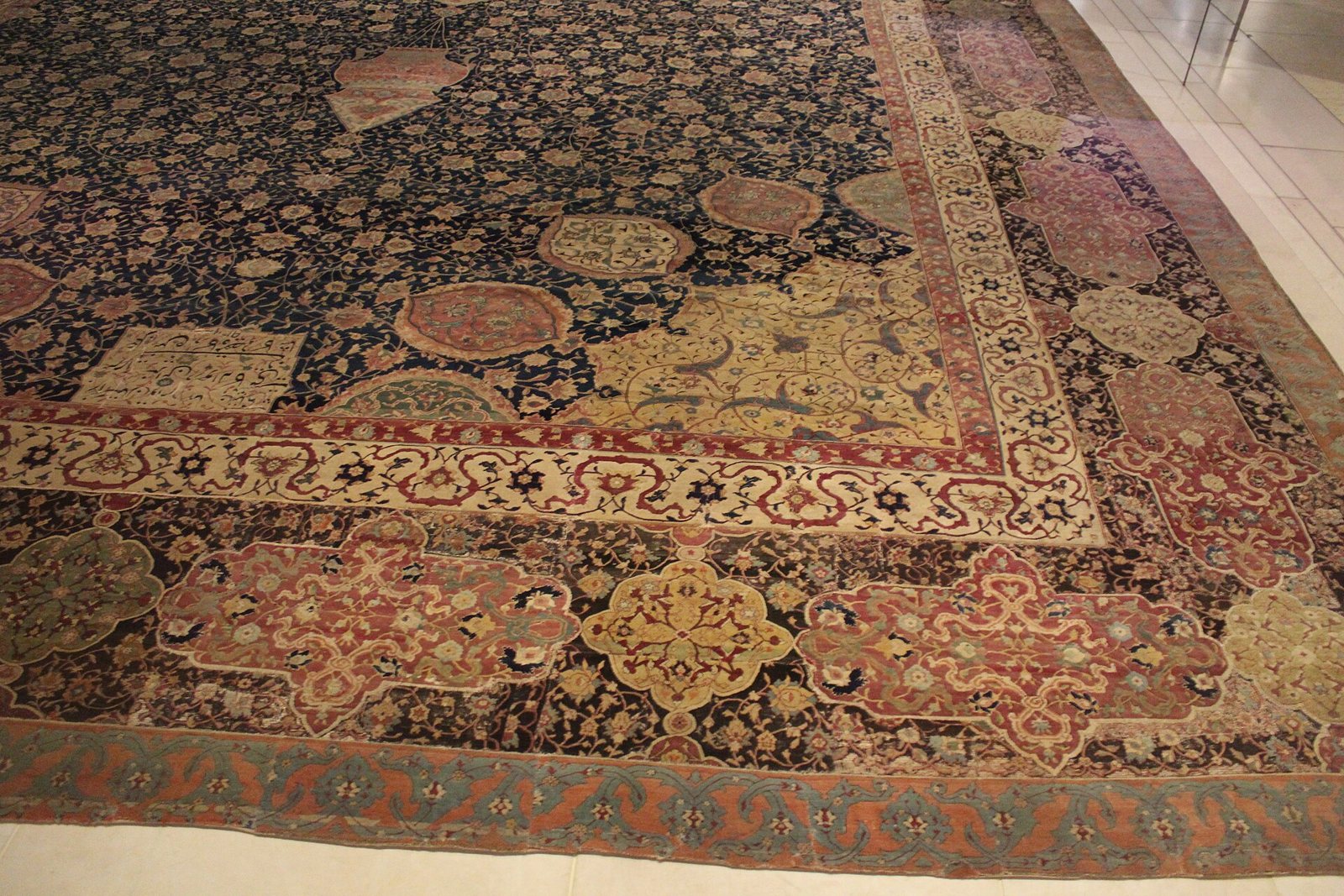
On a deep blue ground, a golden central medallion radiates among flowers and scrolling vines, with two hanging lamps on its axis. A cartouche at one end carries a couplet by Hafez, followed by the name Maqsud of Kashan and the date 946. The V&A notes that Maqsud was probably the court official in charge of the work, and that the phrase "slave of the threshold" expresses humility rather than actual slavery.
The carpet had a twin. In the nineteenth century both left Ardabil and reached Ziegler & Co. of Manchester, and parts of one, including its borders, were used to repair the other. The more complete carpet was sold to the V&A in 1893 for £2,000. Its smaller, borderless twin is at the Los Angeles County Museum of Art.