The Baharestan Carpet: the lost Spring of Khosrow
2026-11-02
The Baharestan Carpet, also known as the Spring of Khosrow, is one of the most legendary carpets in history. It was kept in the Sasanian royal palace at Ctesiphon. Nothing of it survives: all we know comes from the historians.
It is usually linked to Khosrow II. The Encyclopaedia Iranica describes a huge royal carpet of the late Sasanian period, and notes that the sources give it several names, including "the Spring of Khosrow" and "the Winter Carpet". They say the king sat on it in winter, so that the cold months felt like spring.
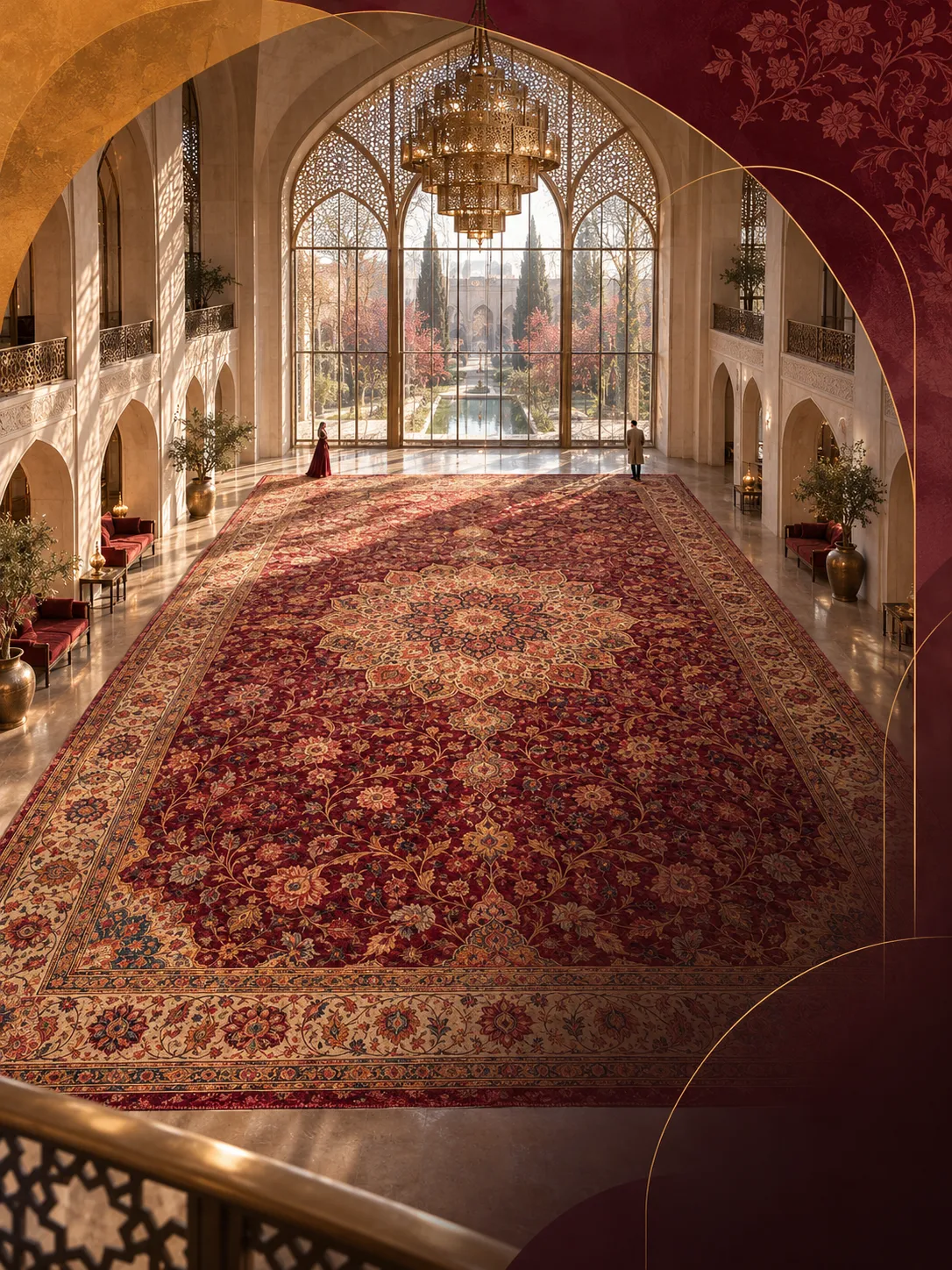
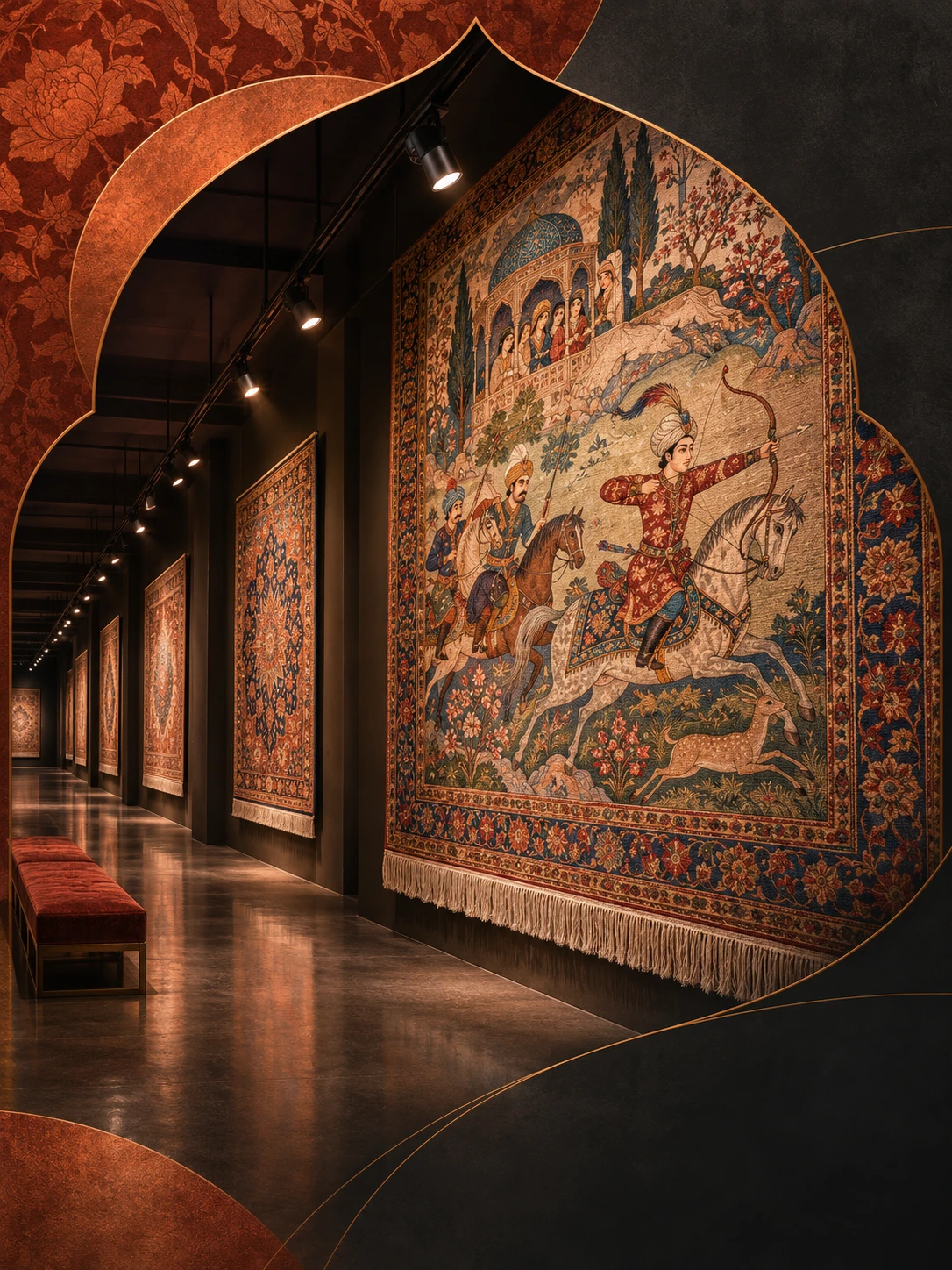
Its design is described as a garden in spring, with streams, paths, trees and flowers, worked in gold, silver, silk and precious stones, with a border of emeralds. That makes it one of the earliest recorded examples of the garden design in Persian carpets.
Accounts of its size differ. Some sources describe a square of about 27 metres a side, and others give different figures.
Its fate was tied to the end of the Sasanians. In AD 637 Muslim forces under Sa'd ibn Abi Waqqas took Ctesiphon and the carpet was seized. It was sent to Medina and, according to the historical accounts, cut into pieces and shared out.
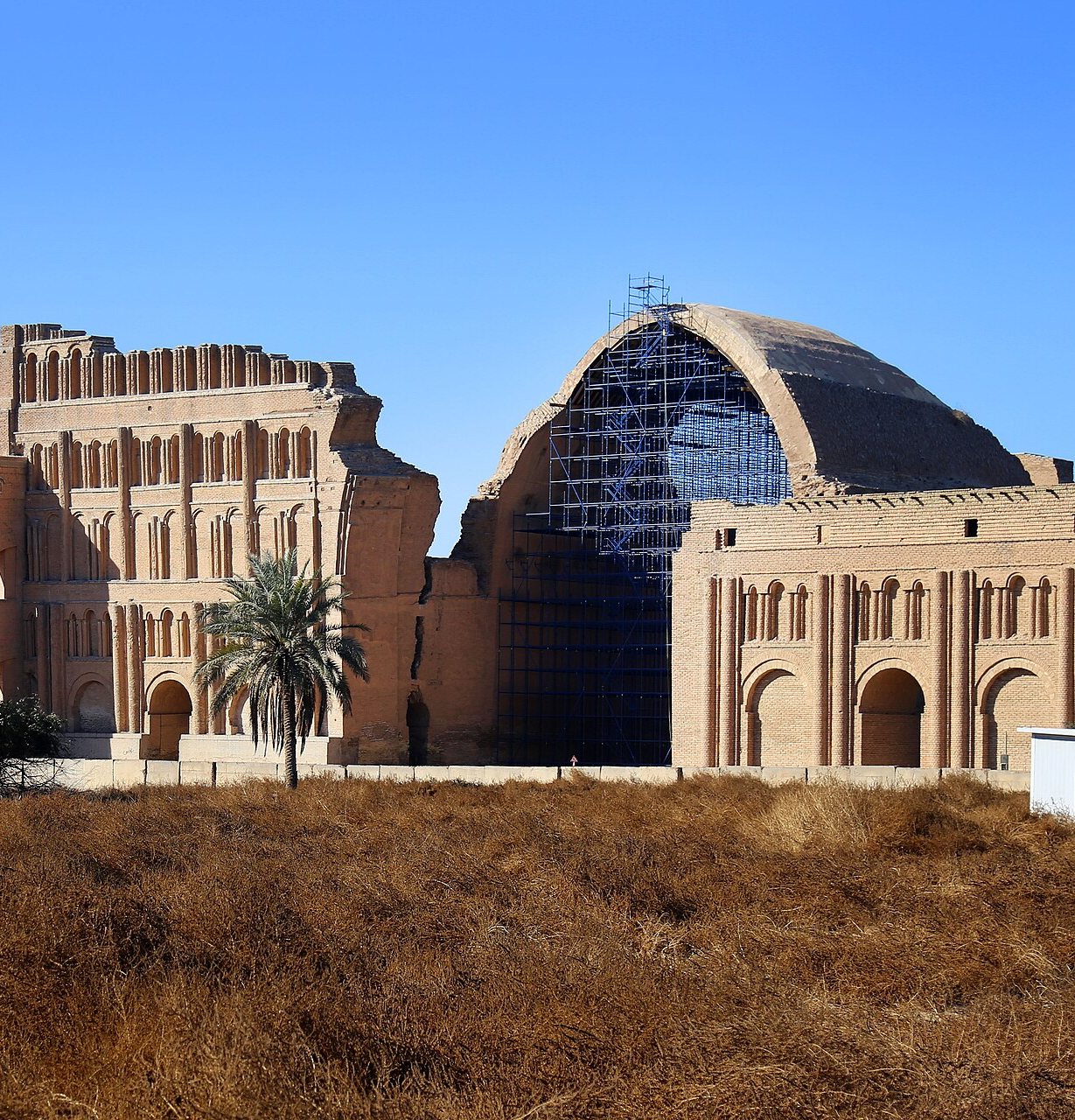
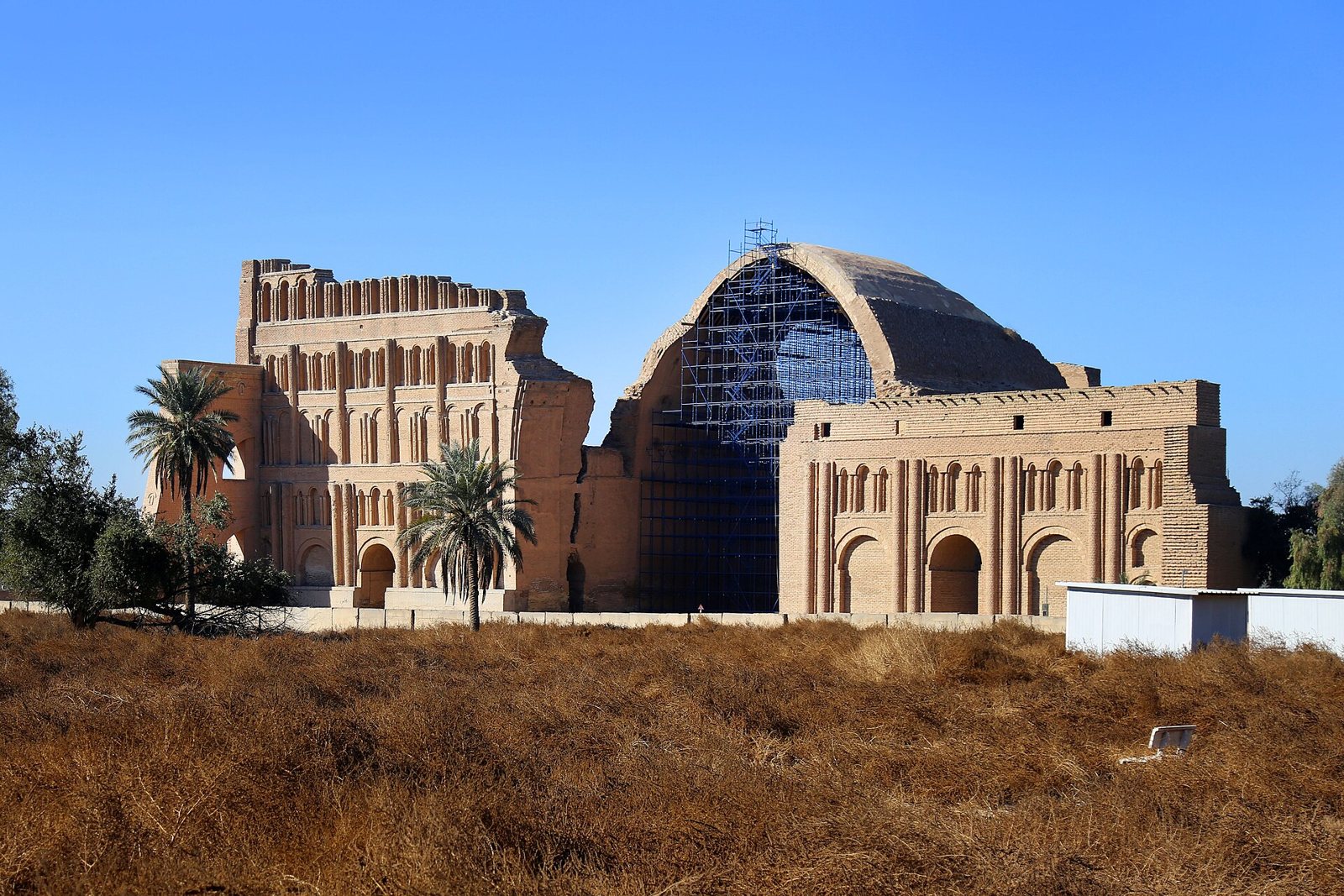
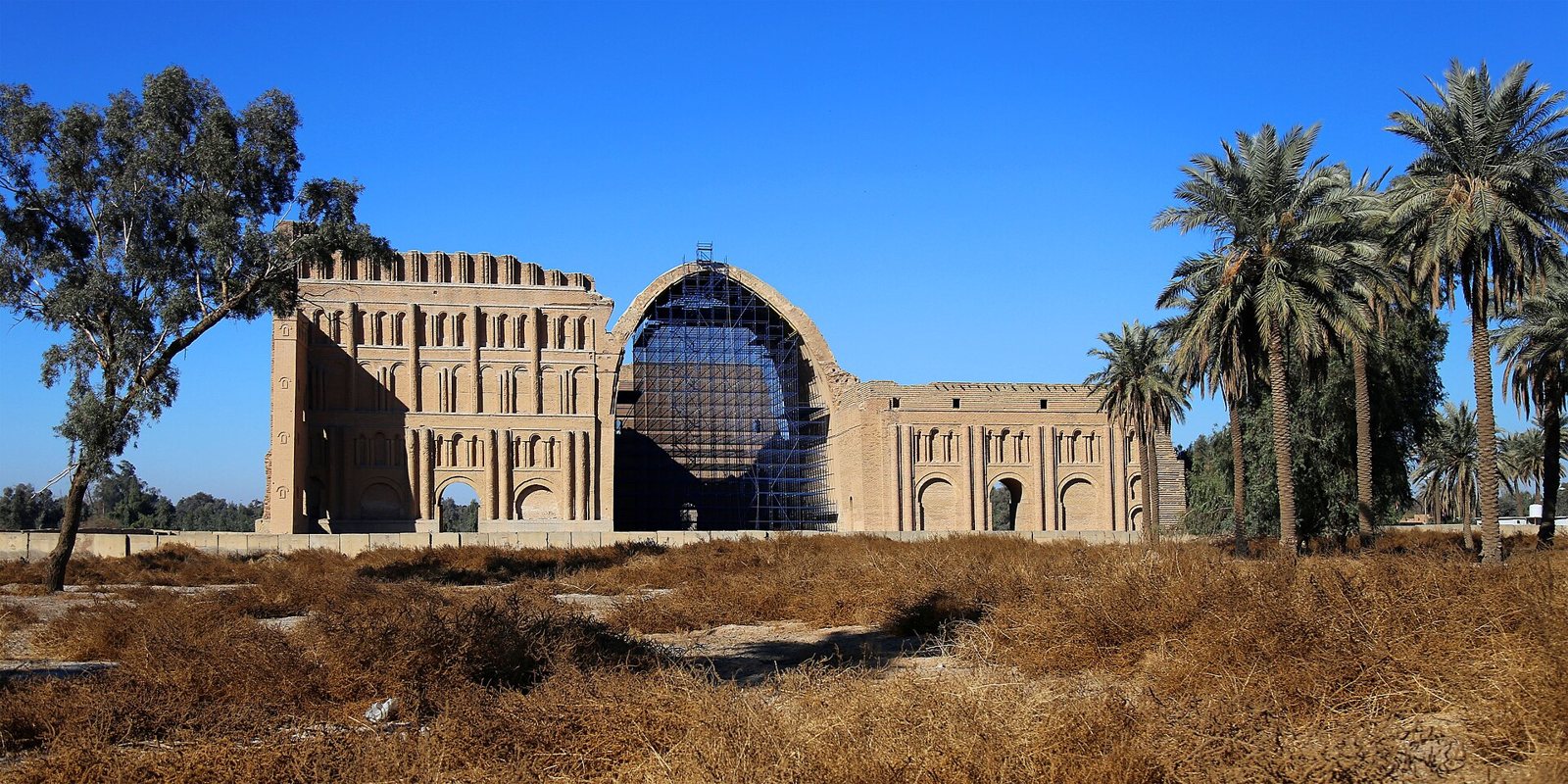
Not a fragment survives and no image of it exists. The great arch of Ctesiphon, Taq Kasra, in today's Iraq is the tangible link to that palace.